
Experience the Soul of Egypt: A Guide to Traditions, Feasts, and Festivities
Egypt is a land where history isn't just found in temples, but in the living breath of its traditions. If your travels coincide with a religious or cultural season, you won't just see Egypt—you will feel it. From the rhythmic chanting of Ramadan nights to the ancient spring rituals of Sham El-Nessim, these seasons offer a deep dive into the Egyptian spirit.
1. Ramadan: The Month of Light and Late Nights
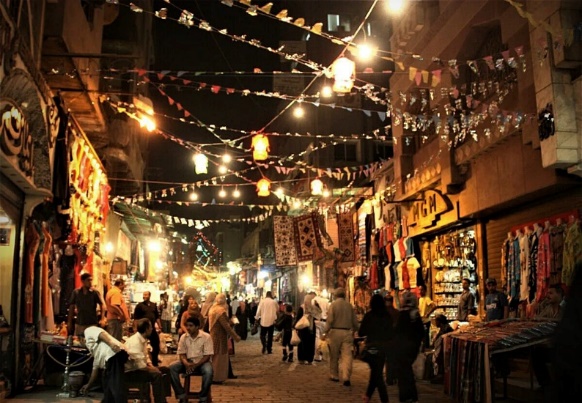
In Egypt, Ramadan isn't just a fast; it’s a 30-day street festival. The air smells of incense and coal-grilled meat, and the "Fanous" (lantern) glows in every window.
The Experience: Don’t miss the Mawaid al-Rahman (Tables of Mercy), where free meals are set up on the streets for anyone to join. After the sunset meal (Iftar), the city wakes up.
Must-Try Flavors: Beyond Mahshi, look for Amar al-Din (apricot nectar) and Sobya (a coconut rice drink). For dessert, try Konafa with cream or mango—a modern Egyptian obsession.
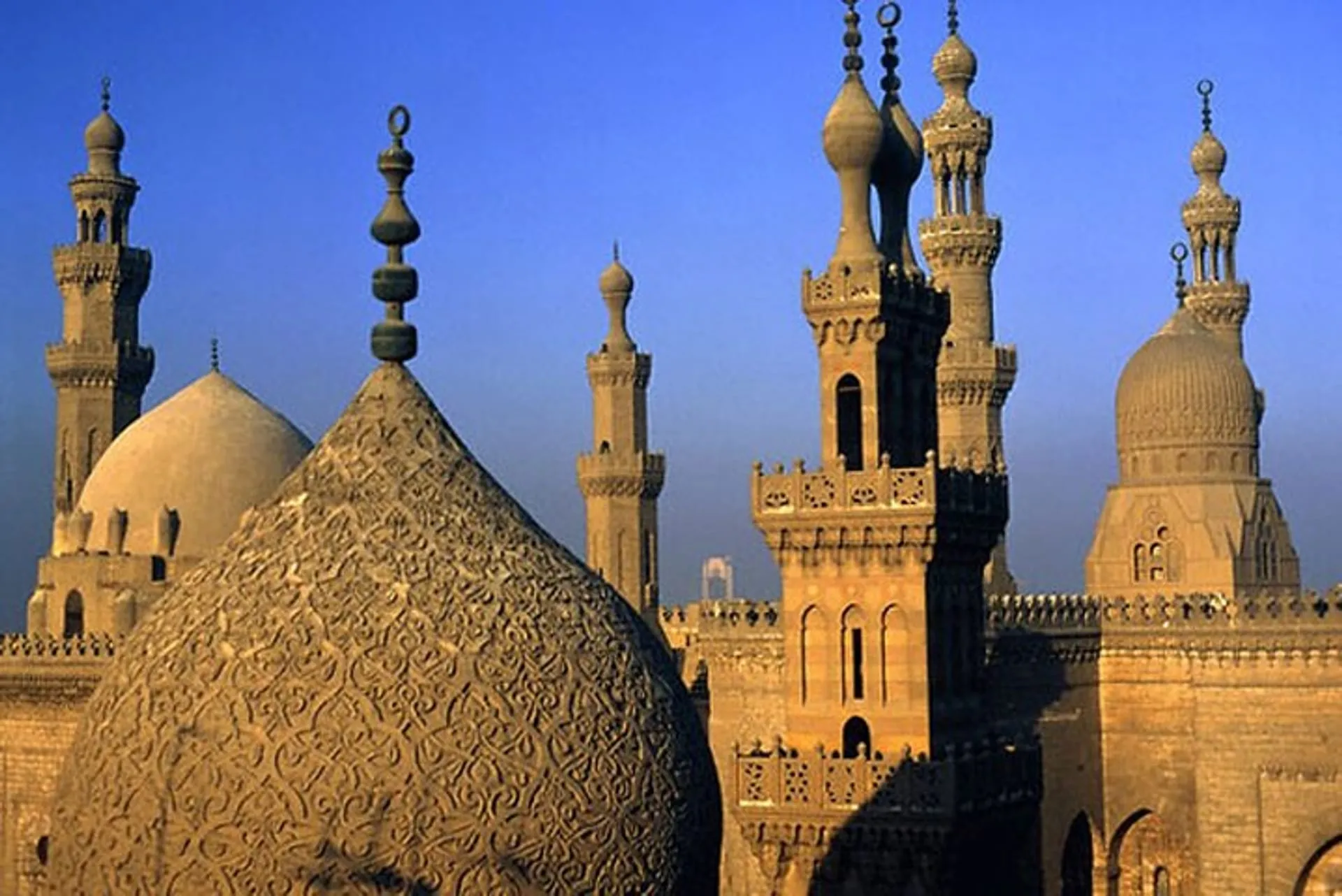
The Vibe: Visit Al-Muizz Street or Khan el-Khalili at night. The Islamic architecture paired with Sufi chanting and Tannoura dance performances is unforgettable.
Pro-Tip: Expect the "Cairene rush hour" an hour before sunset. Everything stops for Iftar, so plan your movements accordingly!
2. Eid al-Fitr: The "Sweet" Celebration
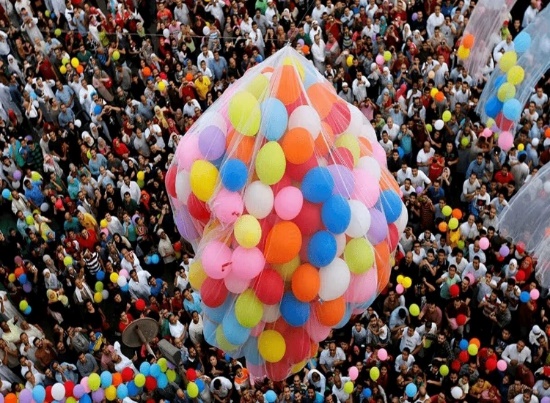
Marking the end of Ramadan, this "Small Eid" is a burst of energy and sugar. It is a time of renewal and communal joy.
The "Kahk" Ritual: The star of the show is Kahk—buttery cookies dusted with powdered sugar. Making these at home is a multi-generational social event.
The Traditions: Listen for the Eid Takbeerat (prayers) echoing from mosques at dawn. You'll see children everywhere showing off their "Eid clothes" (Labaed el-Eid).
What to Gift: If you are invited to an Egyptian home, a box of mixed Kahk, Ghorayeba, and Petit Four from a local bakery is the gold standard.
The Eidiya: This is the practice of gifting crisp, new banknotes to children. It’s the sound of childhood in Egypt.
3. Eid al-Adha: The Feast of Sacrifice and Generosity
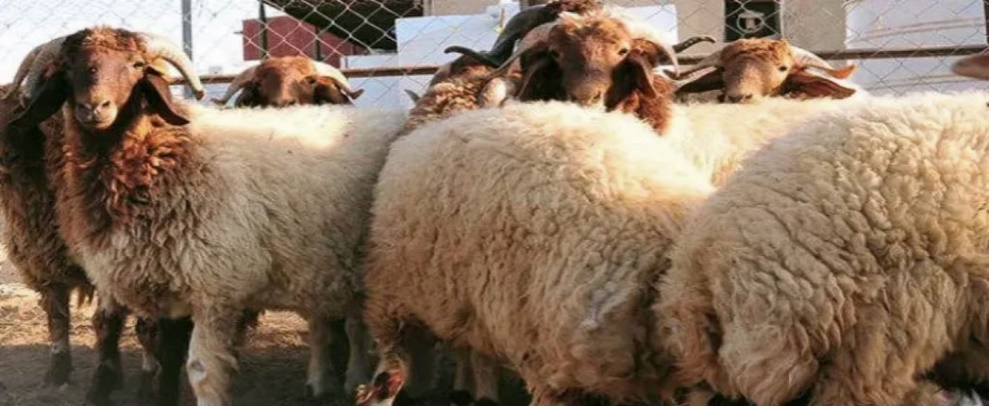
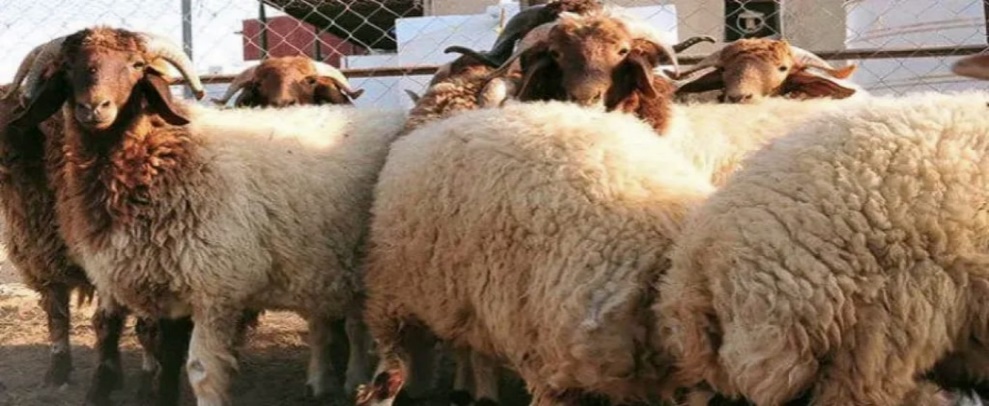
Known as the "Big Eid," this holiday focuses on charity, family, and, of course, incredible meat dishes.
The Culinary Star: Fattah. This is a masterpiece of layers: crispy toasted bread, vinegar-and-garlic-soaked rice, and tender cubes of boiled beef.
Traditions: You will see the spirit of giving everywhere as families distribute meat to those in need, ensuring no one goes hungry during the feast.
Dress Code: It is common to see men in pristine white Galabeyas for morning prayers, though modern festive wear is also popular.
Where to be: Local parks and the Nile Corniche are packed with families enjoying picnics and boat rides.
4. Sham El-Nessim: A Legacy of the Pharaohs
Celebrated on the Monday following Coptic Easter, this festival dates back over 4,500 years. It is a celebration of spring, fertility, and the Nile.
The "Scent" of History: The most famous tradition is eating Feseekh (fermented, salted mullet) and Renga (smoked herring). It’s an acquired taste, but an essential Egyptian experience!
The Rituals: Families head to public gardens or take a Felucca (traditional sailboat) on the Nile. Children spend the morning coloring boiled eggs with natural dyes like onion skins (gold) or hibiscus (red).
The Table: Along with fish, Egyptians eat plenty of green onions and romaine lettuce—symbols of life and growth since the time of the Pharaohs.
The Style: Think bright colors, sunglasses, and comfortable shoes for a full day of outdoor wandering.


Comments
0No comments yet. Be the first to share your thoughts!